

By Mo Shafiq – Director of MIDLANDS HOMEBUYERS LTD | Last Updated: December 2025
Discovering structural issues in your home can be alarming, especially if you are planning to sell. Many homeowners fear that problems like subsidence, foundation cracks, or roof movement make a property impossible to sell.
In reality, houses with structural issues are sold across the UK every day, provided the seller understands their options and chooses the right route.
Understanding What Structural Issues Mean When Selling a House
Structural issues refer to problems affecting the core elements that keep a property safe and standing. Under the Consumer Protection from Unfair Trading Regulations 2008, sellers have legal obligations to disclose known structural defects.
Selling a house with these issues is entirely possible, and working with a specialist buyer such as Midlands Homebuyers can allow you to sell without repairs or delays.
- Structural issues affect foundations, walls, floors, roofs, or load-bearing elements
- Common problems include subsidence, wall movement, roof spread, and floor instability
- Structural damage is different from cosmetic wear and tear
- You are legally required to disclose known structural problems
- Buyers usually factor repair costs into their offers
- The right buyer can complete even if a mortgage is not possible
Understanding factors that might bring down the price of a property helps sellers set realistic expectations when structural issues are present.
Legal and Practical Considerations When Selling a Structurally Damaged Property

Selling a house with structural issues requires careful handling of legal disclosures, surveys, and buyer expectations. The Royal Institution of Chartered Surveyors (RICS) provides professional guidance on disclosure requirements and valuation impacts.
Disclosure Obligations in the UK
Under the Consumer Protection from Unfair Trading Regulations 2008, if you are aware of structural issues, you must disclose them to buyers through the TA6 Property Information Form.
This includes previous problems that have been repaired, as well as ongoing issues that have not yet been addressed. Failure to disclose can result in legal action and compensation claims after completion.
Survey Findings and Buyer Reactions
Most buyers commission RICS HomeBuyer Reports or Building Surveys, and structural problems will be flagged clearly with risk ratings. Being transparent early avoids wasted time and failed negotiations after survey results are returned. Surveyors typically classify structural issues as requiring urgent attention, potentially affecting value by 10-30% depending on severity.
Mortgage Restrictions
Many mortgage lenders refuse to lend on homes with unresolved structural damage, particularly subsidence or significant cracking. The Council of Mortgage Lenders reports that structural defects are among the most common reasons for mortgage rejections.
This limits your buyer pool and is why cash buyers are often the most realistic option.
Insurance Implications
Some properties with structural issues can be difficult or expensive to insure, particularly those with subsidence history. The Association of British Insurers notes that properties with previous structural claims may face higher premiums or policy restrictions. Buyers will often ask about past insurance claims and whether the property remains insurable.
Repair Estimates and Reports
Obtaining a structural engineer’s report from an Institution of Structural Engineers (IStructE) member can help you understand the severity and likely cost of repairs. Even if you do not repair the issue, providing professional information builds buyer confidence.
Typical structural repair costs range from £3,000-£10,000 for minor underpinning to £30,000-£50,000+ for major subsidence work.
Pricing Expectations
Homes with structural issues are typically priced 15-30% below full market value depending on severity and repair costs. Pricing realistically from the start reduces renegotiation and increases the chance of a smooth sale. Professional valuation from a RICS surveyor can help establish appropriate pricing.
Your Main Selling Options When Structural Issues Exist
There is no single correct way to sell a house with structural problems. The best option depends on your timeline, finances, and tolerance for risk. Understanding how to sell your house quickly can help you choose the most appropriate route.
Selling After Completing Repairs
Fixing structural problems can widen the buyer pool and increase value. However, repairs can be expensive, time-consuming, and sometimes unpredictable in cost. Building Control approval may be required for certain structural works, adding time and complexity to the process.
Selling As-Is on the Open Market
Some sellers list their home with full disclosure and accept that buyers will negotiate heavily based on survey findings. This route can take longer and carries a higher risk of fall-through, particularly when buyers struggle to secure mortgage approval for properties with structural defects.
Selling to a Cash Buyer
Cash buyers do not rely on mortgage approval, making them more flexible with structural issues. Many homeowners choose Cash Home Buyers to avoid survey delays, repair demands, and uncertain chains. The benefits of selling your property to Midlands Home Buyers include certainty of completion and speed.
Selling at Auction
Auctions attract builders, developers, and investors familiar with problem properties. While sales are legally binding after the hammer falls, prices can be unpredictable and entry fees typically range from £500-£1,500 plus VAT. The Law Society provides guidance on auction property purchases.
Selling to a Developer
Developers may be interested if land value outweighs repair costs. This option works best for larger plots or properties suitable for redevelopment where structural issues become irrelevant if demolition is planned.
Waiting and Monitoring the Issue
In some cases, structural movement stabilises over time, particularly with seasonal subsidence. This option carries risk and is usually only suitable when advised by a structural engineer following monitoring over 12-24 months.
Benefits of Selling Without Repairs
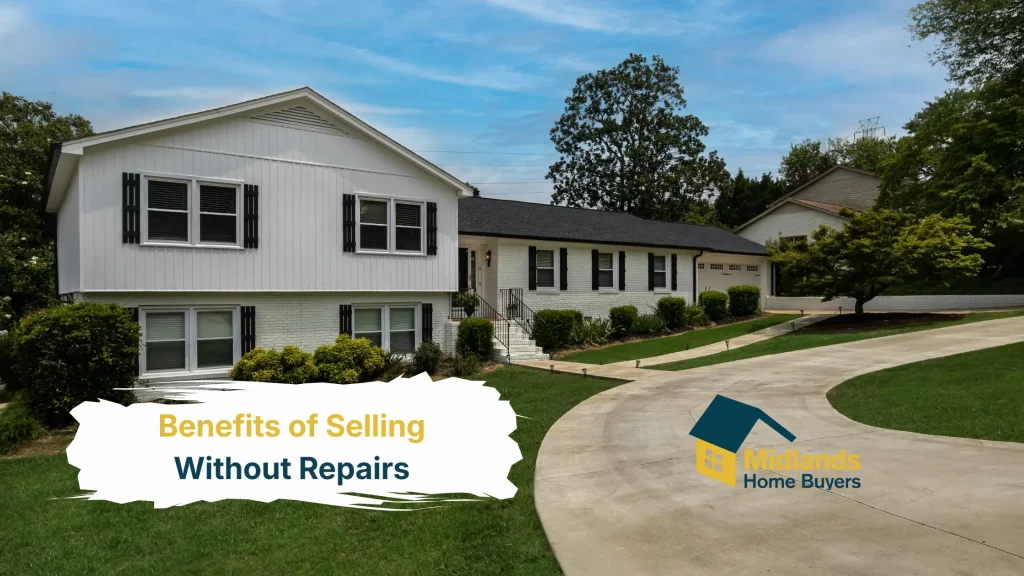
When comparing selling a house fast vs traditional sale in the Midlands, selling without repairs offers distinct advantages for properties with structural issues.
Avoiding High Upfront Repair Costs
Major structural repairs can cost tens of thousands of pounds with no guarantee of full value recovery. The Federation of Master Builders reports that structural work is among the most expensive property improvements, with costs often exceeding initial estimates by 20-30%. Selling without repairs allows you to avoid tying up cash in work that may not fully increase value.
Reducing Stress and Disruption
Structural work often requires vacating parts of the home, obtaining Building Control approval, and dealing with long building schedules that can extend 3-6 months. Selling as-is removes this disruption entirely.
Certainty of Sale
Buyers who specialise in structurally damaged properties are less likely to withdraw after surveys. This reduces the emotional toll of repeated failed sales, which according to property research affects approximately 30% of traditional property transactions.
Faster Completion Timelines
Cash sales often complete in 7-28 days rather than the 3-6 month traditional sale timeline. This is ideal if you are dealing with relocation, financial pressure, or inheritance matters requiring quick resolution.
Transparent Negotiations
When both sides understand the issue upfront through proper disclosure, negotiations are more straightforward. This reduces last-minute price drops and legal disputes that can derail traditional sales.
Clear Exit from Ongoing Problems
Structural issues can worsen over time and create ongoing worry about further damage and insurance complications. Selling allows you to move on without future repair obligations or monitoring requirements.
Final Checklist Before Selling a House with Structural Issues
Before committing to a sale, ensure you are fully prepared and legally compliant.
- Confirm the nature and severity of the structural issue with professional assessment
- Gather any existing surveys, engineering reports, or Building Control documents
- Be honest and thorough in TA6 Property Information Form disclosures
- Obtain repair estimates from structural engineers or specialist contractors
- Decide whether repairs are financially worthwhile based on cost-to-value analysis
- Price the property realistically for its condition using RICS valuation guidance
- Target buyers comfortable with structural problems (cash buyers, investors, developers)
- Consider selling routes that minimise delays and fall-through risk
- Consult a property solicitor about disclosure obligations and liability protection
Conclusion
Yes, you can sell a house with structural issues in the UK, and many homeowners do so successfully every year. The key is understanding the problem, complying with legal disclosure obligations under the Consumer Protection from Unfair Trading Regulations 2008, and choosing a selling strategy that matches your circumstances.
References:
- Consumer Protection from Unfair Trading Regulations 2008 (legislation.gov.uk)
- RICS guidance on structural surveys and valuations
- Law Society guidance on property disclosure obligations
- Council of Mortgage Lenders structural defect criteria
- Association of British Insurers property claims guidance